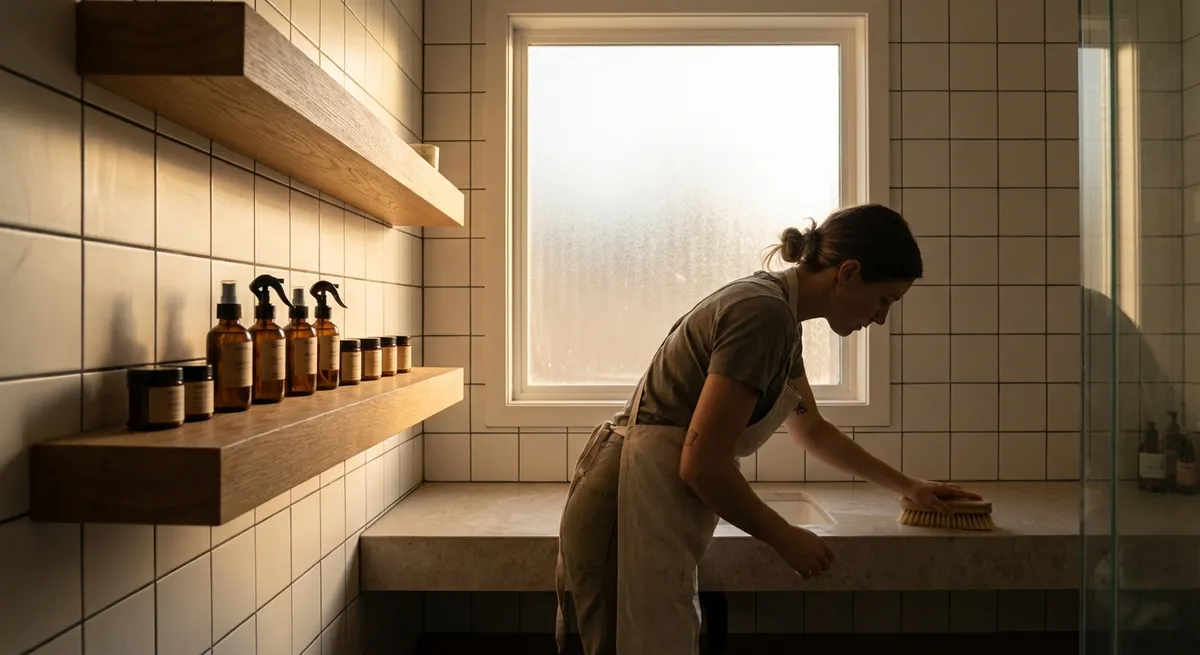
Understanding Your Tile’s “Personality”
Before any cloth touches the surface, effective maintenance begins with understanding what, exactly, you are caring for. Porcelain, ceramic, marble, limestone, terrazzo, cement tile—each material responds differently to moisture, chemistry, and abrasion. A marble floor in a foyer cannot be maintained with the same methods as a textured porcelain on a terrace, even if they share a similar hue.
Study the tile’s specifications from the manufacturer: water absorption rating, PEI wear rating, recommended cleaners, sealing needs, and slip resistance. This information is not marketing filler; it is a maintenance roadmap. Natural stone, for example, is often calcium-based and can etch with acidic cleaners, while high-density porcelain is far more tolerant but can suffer from inappropriate abrasive pads that dull its surface. Treating every tiled surface as interchangeable is the first step toward premature wear; tailoring your routine to the tile’s “personality” is the foundation of long-term refinement.
The Baseline Ritual: Daily and Weekly Elegance
Maintenance for a premium space should feel ritualistic rather than reactive. Daily or near-daily dry cleaning—vacuuming with a hard-floor attachment or using a soft-bristle broom—removes the fine grit that acts like sandpaper underfoot. On smooth, polished surfaces, this simple habit often does more to preserve finish than any specialized product.
Wet cleaning should be intentional rather than frequent for its own sake. A pH-neutral cleaner specifically formulated for tile and stone, diluted correctly, will avoid film build-up that leaves floors looking cloudy. Microfiber mops, rung only slightly damp, distribute solution evenly without saturating grout. After cleaning, a quick dry buff with a fresh microfiber pad restores clarity and eliminates water spots. In high-end interiors, you will rarely see standing moisture left to evaporate on its own; that final drying pass is a subtle but transformative step.
Exclusive Insight #1: Curating Your “Tile Wardrobe” of Tools
Sophisticated maintenance begins with a curated toolkit kept exclusively for your tiled surfaces. This “tile wardrobe” of tools prevents cross-contamination and extends both the beauty and life of your finishes.
Dedicate specific microfiber cloths and mop pads solely to tile, never shared with kitchen degreasers or bathroom disinfectants that may contain harsh agents. Select color-coded cloths: one for solution application, another strictly for drying and buffing. Reserve a soft-bristle grout brush used only with appropriate cleaners, never with bleach or undiluted acids. For natural stone, keep a separate set of tools, so no residue from generic cleansers comes into contact with sensitive surfaces. This level of separation feels meticulous, but it maintains chemical integrity and ensures that what touches your tile is always deliberate, never incidental.
The Subtle Science of Grout Preservation
In a visually refined space, grout is not merely filler; it is negative space that frames each tile and defines the entire composition. Neglected grout can make even the most luxurious stone appear tired. Protecting it is less about dramatic deep-cleaning campaigns and more about disciplined prevention.
Avoid saturating grout joints repeatedly. Excess moisture, especially in showers, can invite mildew and weaken grout over time. After use, a quick squeegee over walls and floors followed by targeted towel drying of joints significantly slows staining and biological growth. When cleaning, apply solutions to a mop or cloth rather than flooding the floor; this approach reduces water migration into the joints. For cement-based grouts, an appropriate penetrating sealer—reapplied at manufacturer-recommended intervals—acts as an invisible shield, preserving both color and integrity without altering the tile’s aesthetic presence.
Exclusive Insight #2: Learning to Read Early-Wear Signals
Discerning homeowners treat subtle changes as signals rather than inconveniences. A faint darkening of grout along a traffic path, slight dulling in front of a kitchen island, or a softening of reflection near an exterior door—these are all early indicators that your maintenance plan needs fine-tuning.
Rather than responding with harsher cleaners, respond with refinement. Introduce high-quality floor mats inside and outside entry points to intercept grit. Rotate or enlarge rugs in dining or seating areas to redistribute traffic patterns. If grout darkens in predictable zones, schedule localized, gentle deep-cleaning followed by resealing only where needed, rather than treating the entire installation aggressively. This attentive, targeted response preserves both finishes and longevity, transforming maintenance from reactive to predictive care.
Moisture Management: The Invisible Discipline
Water is at once tile’s familiar companion and its quiet adversary. While tiles themselves—especially porcelain—tend to be resistant, grout lines, backer boards, and substrates are more vulnerable. The true luxury is a tiled space that resists not just visible stains but hidden moisture issues.
In bathrooms, make mechanical ventilation non-negotiable. Run exhaust fans during and for at least 20 minutes after showers to expel humidity. In showers and wet rooms, a post-use ritual of squeegeeing surfaces and wiping horizontal ledges prevents water from continually dwelling on grout and caulk. In kitchens, promptly attend to spills, especially those that are oil- or acid-based, as they can migrate into grout even if tile itself is unaffected. Outdoors, ensure proper slope and drainage so water does not linger on patios or balconies; no amount of cleaning can compensate for poorly managed standing water.
Exclusive Insight #3: Temperature and Light as Silent Influencers
Sophisticated maintenance accounts for environmental forces beyond simple wear. Sunlight and temperature fluctuations can subtly affect both tile and grout, particularly in spaces with expansive windows, radiant heating, or exterior installations.
UV exposure can gradually lighten or shift the tones of certain materials and grout pigments, especially in cementitious products. Where possible, balanced shading—sheer drapes, UV-filtering films, or thoughtfully placed furnishings—helps maintain consistent coloration across the entire installation. With radiant heat, avoid shock temperature changes and adhere to gentle ramp-up schedules recommended for underfloor systems; extreme differentials between surface and ambient air can contribute to microcracking in grout or stress on tiles over time. These nuances rarely appear in generic maintenance guides, yet they quietly differentiate a well-preserved installation from one that ages unevenly.
Cleaning Chemistry with Intent
The chemistry of maintenance is where many refined surfaces are unintentionally compromised. The goal is not “stronger equals better,” but “appropriate equals enduring.” For most residential tile applications, a mild pH-neutral cleaner will address everyday soil without jeopardizing sealers, finishes, or grout integrity.
Stone and cementitious materials demand special attention: avoid vinegar, citrus-based cleaners, traditional bleach, and generic bathroom acids that can etch or degrade surfaces and joints. When a deeper clean is necessary—soap scum, mineral buildup, or stubborn staining—use specialty products designed for tile and stone, following dilution and dwell-time instructions precisely. Always test new solutions in a discreet corner first, verifying that sheen, color, and texture remain unchanged before applying them across the field. This restrained, test-first mindset aligns with the broader ethos of premium care: nothing harsh, nothing rushed, nothing left to chance.
Exclusive Insight #4: “Soft Abrasion” as a Refinement Technique
There is a middle ground between ineffective wiping and damaging scrubbing, and it is where truly elevated maintenance resides. Soft abrasion employs gentle mechanical action paired with suitable tools to lift soil without eroding finishes.
For textured porcelain or matte finishes, use melamine foam or non-scratch pads rated safe for tile, combined with a diluted neutral cleaner. Rather than scrubbing with pressure, rely on repeated light passes and dwell time for the solution to loosen grime. For grout, use medium-soft nylon brushes with bristles thin enough to enter the joint but not so stiff as to fray or gouge. Abrasive powders and steel wool have no place on premium tile installations; soft abrasion honors the material while still reclaiming its original clarity.
Seasonal and Lifecycle Care
Truly enduring tilework is managed through a long-view lens. Seasonal routines reflect shifts in environment and usage: in winter, address de-icing salts at entries promptly, as they can be harsh on grout and certain stones; in summer, pay attention to outdoor tiles subjected to heat and UV, refreshing sealers or hydrophobic treatments where specified by the manufacturer.
Periodically, undertake a formal “tile audit” of your home—walking room by room with a critical eye and soft lighting. Note hairline cracks, caulk gaps at transitions, darkened grout in wet zones, or slight tile movement. Address these early with professional evaluation if needed, rather than waiting for failures. Maintenance, at its most sophisticated, is as much about vigilance as it is about cleaning.
Exclusive Insight #5: Partnering with Professionals as Preventive Luxury
Engaging a tile professional or stone care specialist is not only for visible issues; it can be a preventive luxury that preserves both aesthetic and value. A maintenance consultation every few years can verify that your daily and periodic routines align with the specific materials in your home and the evolving product landscape.
Professionals can test sealant performance, recommend updated products compatible with your tile and grout, and execute gentle restorative services—low-moisture steam cleaning, controlled polishing, or targeted regrouting in strategic areas. This partnership shifts your relationship with tile from ownership to stewardship: the goal is not simply to keep surfaces “clean,” but to maintain them as architectural assets that will outlast trends and tenancy.
Conclusion
Impeccable tilework is never an accident; it is the cumulative result of small, consistent decisions made with care and understanding. By learning your tile’s unique characteristics, establishing elegant daily rituals, honoring the nuance of moisture, chemistry, light, and temperature, and engaging professionals before problems arise, you cultivate spaces that age with dignity rather than decline.
The reward is subtle yet unmistakable: floors that still feel newly installed a decade later, showers that remain luminous, and stone that tells a story of use without looking weary. In the quiet art of tile stewardship, maintenance is not a chore—it is the finishing layer of design itself.
Sources
- Ceramic Tile Education Foundation – Tile Care & Maintenance - Professional guidance on cleaning, sealing, and preserving tile installations
- Tile Council of North America (TCNA) – Homeowner Resources - Authoritative recommendations on tile performance, use, and care
- Mapei – Grout Maintenance and Sealing Guide - Technical information on grout behavior, sealing, and cleaning compatibility
- University of Tennessee Extension – Care of Natural Stone Materials - Educational resource on proper maintenance practices for stone surfaces
- U.S. General Services Administration – Historic Stone and Tile Maintenance - Detailed procedures used in preserving high-value stone and tile in federal buildings