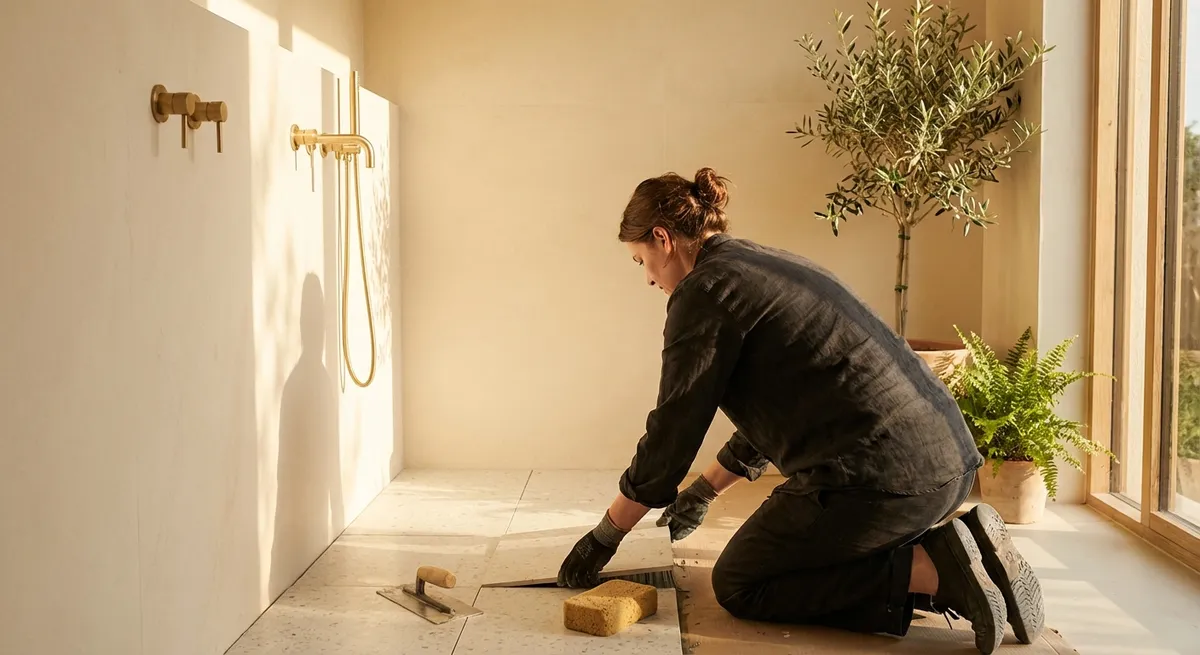
Below, you’ll find five exclusive, detail-driven insights that elevate tile repair from a quick fix to a sophisticated restorative practice.
Reading the Surface: Treating Damage as a Design Clue
Before reaching for tools or materials, a premium repair begins with an almost forensic assessment of the surface. Each crack, chip, stain, or hollow sound tells you something about the underlying structure and the original installation standard.
Look for patterns of wear rather than isolated defects. A network of fine cracks across a floor might point to substrate movement, while recurrent grout fractures along one line suggest inadequate expansion joints or a structural beam below. Discoloration around a single tile often signals moisture intrusion, not just cosmetic staining.
This diagnostic phase is where a discerning homeowner or professional separates superficial fixes from enduring solutions. By treating damage as a clue rather than a nuisance, you can address root causes—movement, moisture, or load-bearing stress—so the repair doesn’t become a recurring appointment. In an elevated space, longevity is not optional; it is part of the aesthetic.
Material Fidelity: Matching Tile, Grout, and Sheen with Precision
Sophisticated tile repair is a study in fidelity—color, texture, and sheen must harmonize seamlessly with the existing field. Simply “close enough” is immediately visible in a curated interior.
For tile replacement or inlay-style repairs, source the closest possible match not only in hue but in surface character. Gloss, semi-matte, and honed finishes reflect light differently; a perfect color in the wrong finish will still announce itself. When original tile is discontinued, consider reclaiming tile from inconspicuous areas—inside closets, under appliances, or beneath built-ins—to use as “donor” pieces in highly visible locations.
Grout requires equal discernment. Aging, sealers, and cleaning routines subtly shift grout color over time. Rather than relying on a single manufacturer’s swatch, professionals often blend grout colors or lightly tint with compatible pigments to land precisely on the existing tone. A premium touch is testing small samples in discreet areas, then observing them at different times of day as natural and artificial light change. The goal is not just a color match, but a visual rhythm that feels uninterrupted.
Structural Quiet: Reinforcing, Not Just Patching
Luxury tile work is only as refined as the structure beneath it. Many repairs fail not because of poor aesthetic execution, but because they overlook structural quiet—eliminating movement and instability before cosmetic work begins.
If tiles sound hollow, shift underfoot, or have popped free entirely, merely re-bonding them is seldom enough. Substrate issues, deflection, or inadequate thinset coverage may all be contributing. An elevated approach includes:
- Evaluating subfloor thickness and rigidity, especially for large-format or natural stone installations.
- Checking for moisture or vapor emissions that may be compromising adhesion.
- Adding underlayment, crack isolation membranes, or decoupling systems in recurrent trouble zones.
- Correcting transitions where two different substrates meet, which often become stress points.
In a refined repair, the objective is structural calm: no flex, no movement, no hidden tension. When the foundation is stable, grout lines stay true, edges remain crisp, and the tile field reads as a single, uninterrupted plane.
The Art of Invisible Blending: Micro-Repairs and Surface Refinement
Not every issue merits full-tile replacement. For the detail-oriented homeowner, micro-repairs can preserve original fabric while rendering flaws virtually invisible.
Chips on porcelain and ceramic tiles, when the body color is close to the surface tone, can often be stabilized with high-quality, clear or tinted epoxy and then carefully polished or abraded to match surrounding sheen. For patterned or variegated tiles, subtle hand-applied stains or compatible touch-up paints, layered with restraint, can visually dissolve small impacts or edge damage.
Hairline cracks in non-structural areas may be stabilized with low-viscosity repair resins, then selectively refinished. In natural stone, honing and polishing can often pull minor etching and shallow scratches back into harmony with the field, especially on honed and matte surfaces.
The distinction of a premium repair lies in restraint. The goal is not to “over-correct” but to achieve a level of visual quiet where the repaired area recedes into the composition of the whole surface. When executed well, even the trained eye must search for the intervention.
Curated Prevention: Designing Maintenance as Part of the Repair Strategy
A sophisticated repair does not end when the last joint is tooled or the final tile is set. The most elevated approach builds a maintenance narrative into the repair itself, ensuring that the surface will age gracefully instead of simply returning to neutral.
This begins with intelligent specification during repair: selecting grout with higher stain resistance for kitchen floors, opting for sealers that balance protection with breathable performance in baths, or choosing edge profiles that reduce chipping risk on exposed corners. Each decision anticipates how the surface will live, not just how it will look on day one.
Then, the maintenance plan is refined to the materials: pH-appropriate cleaners for stone and cementitious grout, microfiber tools that won’t abrade delicate finishes, and sensible intervals for resealing or inspection. For high-value spaces—wine rooms, spa baths, or entry halls—a yearly “surface audit” by a professional can catch micro-movement, hairline cracking, or early staining long before they evolve into visible problems.
In a premium home, prevention is not mundane upkeep; it is an extension of design stewardship. The finest repairs are those you never have to revisit.
Conclusion
Exceptional tile repair is quiet, considered, and deeply intentional. It respects the original material, listens to the structure beneath, and works in dialogue with light, use, and time. For the discerning homeowner, these restorative edits are as important as initial installation—moments where craftsmanship and care preserve not just surfaces, but the entire atmosphere of a space.
When approached with this level of precision, tile repair becomes invisible in the best possible way: your eye reads continuity, your feet feel stability, and your home retains the calm, resolved presence that defines true luxury.
Sources
- Tile Council of North America (TCNA) Handbook - Industry standards and best practices for tile installation and troubleshooting
- American National Standards Institute (ANSI) A108/A118/A136 - Technical standards governing tile installation methods and setting materials
- National Institute of Standards and Technology (NIST) – Subfloor Deflection Guidance - Research and recommendations related to structural performance and deflection (search “floor deflection” within publications)
- Mapei Technical Articles – Tile & Stone Installation Systems - Detailed guidance on crack isolation, moisture issues, and advanced repair materials
- Laticrete Tile & Stone Installation and Care Guides - Professional manuals on grout selection, substrate preparation, and long-term maintenance strategies