For homeowners today, especially those investing in premium tile, the lesson is clear. The tiles you install now can become tomorrow’s architectural heirlooms—if you care for them with the same respect those historic spaces have enjoyed. Below, we translate the romance of those “forever homes” into practical, present-day maintenance rituals that help your tile age with dignified grace instead of visible fatigue.
1. Treat Your Grout Like Fine Millwork, Not Filler
In those beautifully preserved old houses now trending online, the details that read as “timeless” are rarely dramatic. It’s the consistent, well-kept joints, the crisp transitions, the sense that someone has been quietly looking after the space for decades. Modern homeowners often obsess over tile selection and then neglect the single element that visually frames every piece: grout.
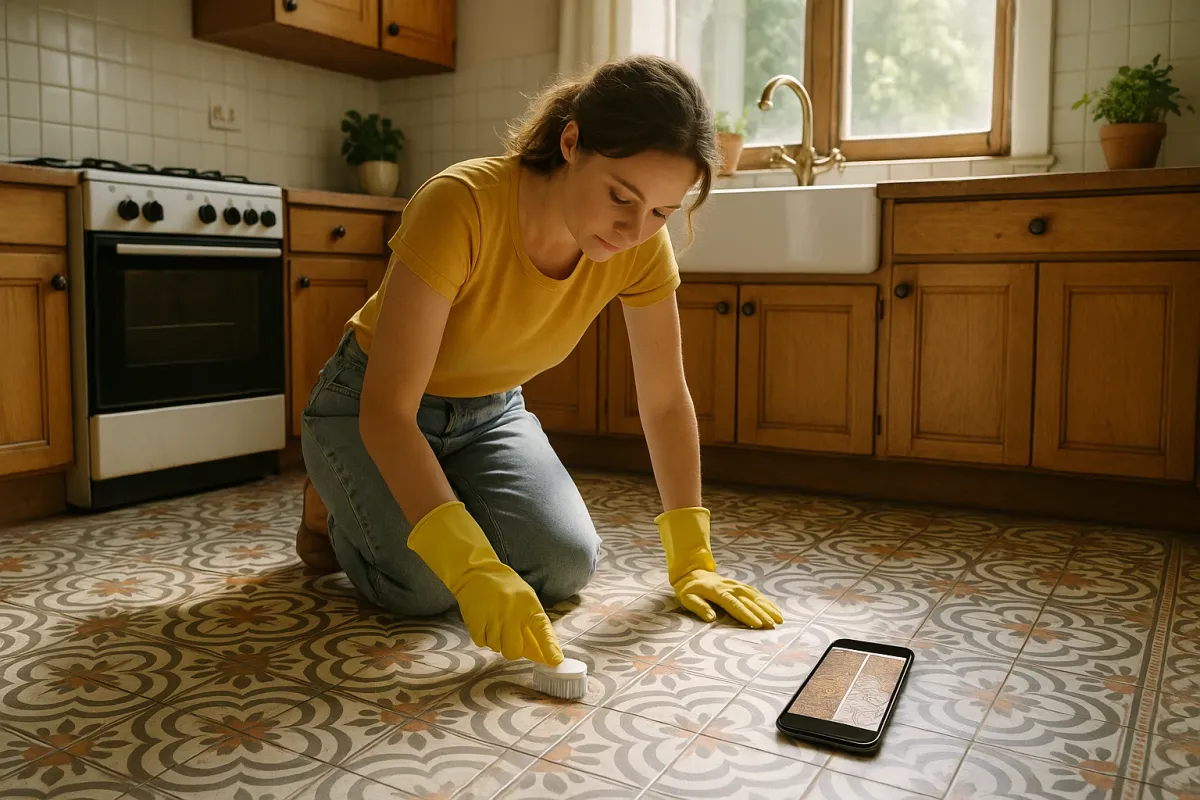
Approach grout the way a cabinetmaker approaches joinery. Schedule an annual “grout inspection day” the way you would a HVAC service. Under good lighting, look for hairline cracking, pinholes, or early discoloration, especially in wet zones and high-traffic corridors. Clean with a pH-neutral tile cleaner and a soft brush—never harsh acids or bleach on cementitious grout, which can erode the surface and accelerate staining. For premium installations, consider penetrating grout sealers formulated for dense, fine-joint work rather than generic hardware-store products; they’re less likely to leave a haze and more likely to preserve that tailored, line-perfect look. When you do need to refresh or regrout, color-match with intention—slightly warm, stone-toned neutrals tend to age more elegantly than stark white or harsh charcoal.
2. Curate Your Cleaning Products Like You Curate Your Finishes
The houses captivating social media right now were not cleaned with whatever was on the discount shelf. Their survival is, in part, the result of gentle, consistent maintenance and an instinctive distrust of “miracle” products. The same logic applies to your tile: premium finishes deserve a curated cleaning kit, not an improvised one.
Start with your material: porcelain, ceramic, natural stone, encaustic cement, or terrazzo. Each has different sensitivities. For porcelain and glazed ceramic, a pH-neutral cleaner is typically ideal and sufficient; avoid oil-based polishes that create slippery films and attract soil. Natural stone—marble, limestone, travertine—demands stone-safe, non-acidic cleaners; anything marketed for removing “lime” or “rust” can quietly etch the surface. Encaustic and terrazzo benefit from highly specific, manufacturer-recommended products that won’t strip the sealer or dull pigments. Store your approved cleaners together with soft microfiber cloths and non-scratch pads, and remove every generic “all-purpose degreaser” or powdered abrasive from the vicinity of your tile. Think of it as editing your cleaning cabinet as ruthlessly as you would edit a wardrobe: fewer pieces, better quality, everything intentionally chosen.
3. Embrace Patina, Control Damage
The homes in that viral old-house collection aren’t pristine—they’re composed. There’s a refined tension between age and care: faint wear in thresholds, softened edges on stair treads, a subtle sheen where life has passed through for decades. With tile, the goal is similar: allow a graceful patina to develop where appropriate while avoiding the kind of damage that reads as neglect rather than character.
In high-traffic zones, use well-designed, low-profile rugs with natural backings—no cheap rubber or PVC mats that can leach, discolor, or trap moisture on tile surfaces. For kitchens, where dropped pans and chair legs are the enemy, add discrete felt or soft polymer glides under furniture and opt for heavier, stable seating that doesn’t “chatter” across the floor. If you love the visual depth of honed marble or handmade tiles, accept that micro-scratches and soft etching may occur, then manage them with periodic professional polishing rather than trying to freeze the surface in time. The quiet luxury lies not in an untouched floor, but in one where every mark feels intentional, never careless.
4. Make Moisture Management A Daily Ritual, Not An Emergency Response
Those historic bathrooms and mudrooms featured online may look effortless, but behind the scenes, there’s almost always a culture of vigilance around water. In contemporary homes, where steam showers, freestanding tubs, and expansive glass blur boundaries, tile often becomes the frontline defense—and maintenance must reflect that.
Start with habits. After showers, run the exhaust fan for at least 20 minutes and use a small squeegee on both glass and adjacent tile; this dramatically reduces mineral buildup and mildew in grout lines. In entryways, intercept water with layered doormats (outdoor scraper, indoor absorber) so melting snow or rain never sits directly on the tile. In kitchens, immediately wipe spills from oil, wine, or citrus to prevent staining and etching, particularly on natural stone or cement tiles. Periodically check silicone joints at corners and perimeters for peeling or gaps—recaulking at the first sign of failure is far more elegant (and economical) than waiting for moisture to creep behind your meticulously laid tile. True luxury is quiet prevention, not dramatic repair.
5. Align Your Maintenance With The Architectural Story You’re Telling
What resonates in that “50 Beautiful Old Houses” feature is not just the craftsmanship—it’s coherence. The floors, walls, hardware, and lighting all feel like they’re participating in the same narrative. Maintenance choices can either reinforce or undermine that harmony.
If your home leans traditional or historic, favor maintenance products and techniques that preserve depth and warmth: matte or satin finishes rather than high-gloss sealers, softly buffed surfaces instead of hyper-polished reflections, neutral grout and caulks that recede rather than shout. In a more contemporary, gallery-like setting, you might choose slightly higher sheen levels and uncompromisingly clean grout lines, supported by a more frequent, disciplined cleaning routine. Whatever your aesthetic, document a “tile care protocol” for your home—products, frequencies, and specialist contacts—so cleaners, family members, and future owners understand the standard. The most collectible houses being shared online today all have one thing in common: someone, at some point, decided that maintenance was part of the design, not an afterthought.
Conclusion
The sudden fascination with impeccably preserved old houses is not just nostalgia—it’s a quiet rebellion against disposable surfaces and trend-chasing finishes that look tired after a single decade. Your tile, if chosen well and maintained with intention, can be one of the few elements in your home that genuinely improves with age.
By elevating grout care, curating your cleaning products, accepting patina while preventing real damage, ritualizing moisture control, and aligning maintenance with your home’s broader story, you’re not simply keeping a floor or a shower “nice.” You’re building the kind of enduring surface that, years from now, could just as easily appear in a viral gallery of homes that wore time beautifully—and never looked anything less than refined.